



Dr Kieron Lim
Senior Gastroenterologist & Hepatologist
MBBS, University of London, Member, Royal College of Physicians (UK), Fellow, Academy of Medicine (Gastroenterology) Singapore, Fellow, Royal College of Physicians (Edinburgh)
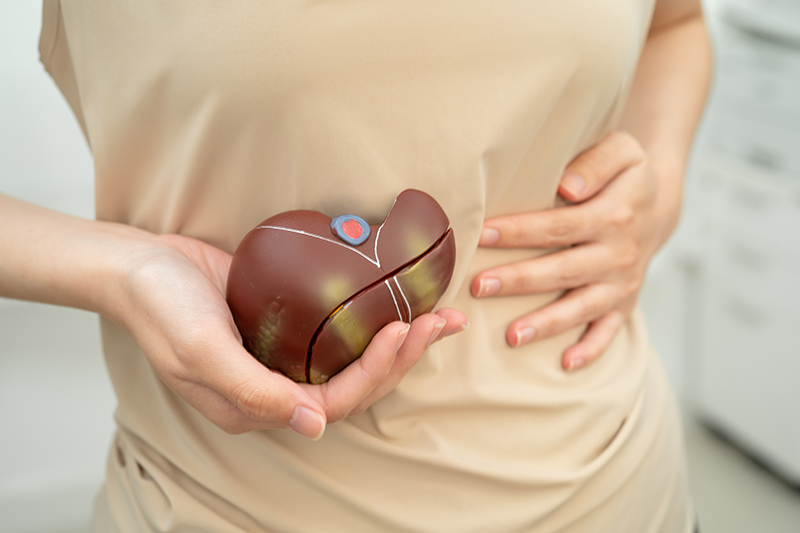
Upon receiving a diagnosis of fatty liver disease, many patients naturally feel worried about what the condition means for their health and whether it could lead to permanent liver damage or long-term complications. Concerns about the possibility of reversal and the impact on their future quality of life are also common.
Fortunately, many cases of fatty liver can be improved or even reversed with early intervention from a specialist, appropriate lifestyle modifications and management of underlying health conditions. Recognising the condition early and taking proactive steps may help reduce liver inflammation, prevent disease progression and support long-term liver health.
What Is Fatty Liver Disease and How Does It Progress?
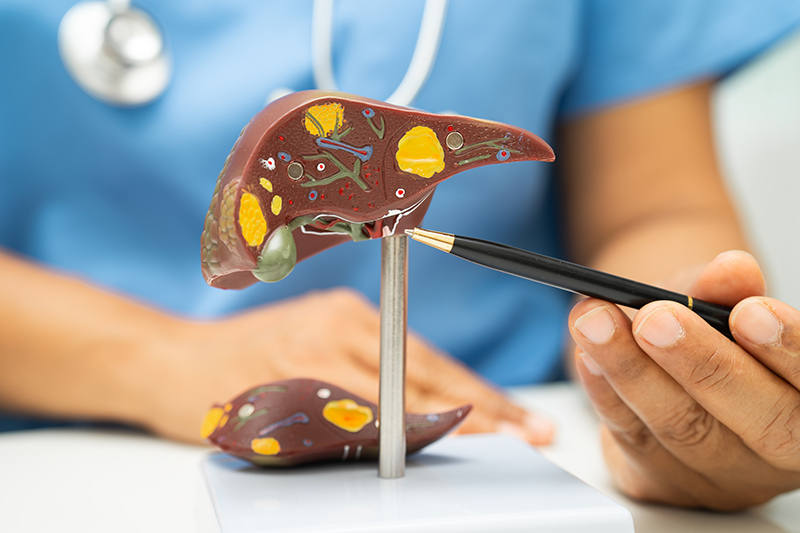
Fatty liver disease occurs when excess fat accumulates within the liver cells. This build-up can begin to affect liver function and increase the risk of inflammation or liver damage over time. In some patients, progress to more serious conditions such as liver inflammation, fibrosis or cirrhosis if left unmanaged.
In the early stages, mild fibrosis may not significantly affect liver function. However, as more scar tissue develops, it begins to stiffen the liver and disrupt normal blood flow through the organ. This can reduce the liver's ability to process nutrients, filter toxins, produce proteins and regulate important metabolic functions.
Cirrhosis refers to advanced and extensive liver scarring. At this stage, large portions of healthy liver tissue have been replaced by permanent scar tissue, causing the liver to become hard, shrunken and structurally damaged. Unlike early fatty liver disease, cirrhosis is generally not reversible.
What Causes Fatty Liver Disease?
There are two main types of fatty liver disease, caused by different circumstances.
Alcohol-Related Fatty Liver Disease
Alcohol-related fatty liver disease develops due to excessive alcohol consumption. The liver is responsible for breaking down alcohol, but excessive intake can overwhelm the liver and lead to fat accumulation within the liver cells.
Over time, continued alcohol usage may increase the risk of liver inflammation and permanent scarring. Early-stage alcohol-related fatty liver disease may improve if alcohol consumption is reduced or stopped before significant liver damage occurs.
Non-Alcoholic Fatty Liver Disease (NAFLD)
Non-alcoholic fatty liver disease (NAFLD) occurs in individuals who consume little or no alcohol. It is commonly associated with metabolic and lifestyle-related factors that affect how the body stores and processes fat.
Risk factors for NAFLD may include:
- Obesity or excess body weight
- Type 2 diabetes
- High cholesterol or triglyceride levels
- High blood pressure
- Sedentary lifestyle
- Poor dietary habits
What Are the Signs and Symptoms of Fatty Liver Disease?
Early symptoms of fatty liver disease tend to be subtle and non-specific, often being mistaken for other conditions at first. Some patients may experience:
- Persistent fatigue or low energy levels
- Discomfort or a dull ache in the upper right abdomen
- Bloating or a feeling of fullness
- Unexplained weight changes
As fatty liver disease progresses to a more severe stage and liver inflammation or scarring worsens, symptoms may become more noticeable. Signs that may indicate more advanced liver damage can include:
- Yellowing of the skin or eyes (jaundice)
- Swelling in the abdomen or legs
- Easy bruising or bleeding
- Persistent nausea
- Mental confusion or difficulty concentrating
Because symptoms may not appear until liver damage has already progressed, early medical evaluation and regular screening are important for individuals with risk factors such as obesity, diabetes, high cholesterol or excessive alcohol consumption.
How Is Fatty Liver Diagnosed?
Diagnosing fatty liver disease typically involves several assessments to evaluate liver health, detect fat accumulation and determine whether inflammation or scarring is present. These tests also help exclude other liver conditions that may cause similar abnormalities.
- Blood Tests: Blood tests can be used to detect elevated liver enzyme levels, particularly ALT and AST, which may indicate ongoing liver inflammation or damage.
- Imaging Scans: Imaging studies such as liver ultrasound, CT scans or MRI scans can help identify excess fat deposits within the liver. These non-invasive scans are frequently used as part of the initial evaluation for fatty liver disease.
- Liver Biopsy: In selected cases, a liver biopsy may be recommended to assess the severity of liver damage more accurately. This involves obtaining a small tissue sample from the liver for microscopic examination to evaluate inflammation, fibrosis or cirrhosis.
- FibroScan: FibroScan is a specialised, non-invasive scan that measures liver stiffness and estimates the degree of fat accumulation in the liver. Higher liver stiffness measurements may suggest fibrosis or scarring. The procedure is fast, painless and does not involve needles, anaesthesia or recovery time.
What Treatments and Lifestyle Changes Can Help Reverse Fatty Liver?
There is currently no single medication or quick fix that can reverse fatty liver disease overnight. Instead, treatment often focuses on identifying the underlying factors contributing to fat accumulation in the liver and making targeted, sustainable lifestyle changes to improve liver health over time. This can help to control inflammation and prevent progression to fibrosis or cirrhosis.
Liver specialists commonly guide patients through adjustments involving diet, weight management, physical activity and control of associated metabolic conditions such as diabetes or high cholesterol.
Weight Loss and Dietary Changes
Gradual and sustainable weight loss is one of the most effective ways to improve fatty liver disease. Patients are often advised to reduce processed foods, sugary drinks and excess fats while maintaining a balanced diet that supports long-term liver health.
Exercise and Metabolic Health Management
Regular exercise can help reduce liver fat and improve insulin sensitivity. Managing underlying conditions such as diabetes, high cholesterol and obesity is also important, as these conditions commonly contribute to fatty liver disease progression.
Reducing or Avoiding Alcohol Intake
Patients with alcohol-related fatty liver disease are generally advised to stop alcohol consumption to prevent further liver damage. Even in non-alcoholic fatty liver disease, excessive alcohol intake may worsen liver inflammation and increase the risk of scarring.
Medications and Ongoing Monitoring
Although there is no single cure for fatty liver disease, medications may be prescribed to manage associated metabolic conditions. Regular follow-up and liver monitoring may also be recommended to assess liver function and detect signs of fibrosis progression.
Early assessment by a liver specialist can help patients better understand the severity of their condition and begin the treatment process before it advances to a more severe stage.
Early Fatty Liver Disease Treatment for Long-Term Health
As fatty liver disease can vary significantly between patients, management often requires more than general lifestyle advice alone. A personalised treatment approach based on an individual's liver health, risk factors and disease severity may help reduce the risk of long-term complications and support better overall health outcomes. Early management could prevent permanent damage, making it important to seek out an assessment if you have symptoms of this condition.
At Kieron Lim Gastroenterology, patients receive comprehensive evaluation and management for fatty liver disease, including assessment of liver inflammation, fibrosis risk and associated metabolic conditions. Dr Kieron Lim provides personalised treatment plans and ongoing monitoring tailored to each patient's liver health needs and long-term wellness goals.
If you are concerned about fatty liver disease or have been diagnosed with abnormal liver test results, contact us today for a detailed specialist assessment that can help guide appropriate treatment.

Meet Our Doctor
Dr Kieron Lim
Senior Consultant Gastroenterologist & Hepatologist
MBBS, University of LondonMember, Royal College of Physicians (UK)Fellow, Academy of Medicine (Gastroenterology) SingaporeFellow, Royal College of Physicians (Edinburgh)
Dr Kieron Lim is a senior consultant specialising in Gastroenterology and Hepatology, providing comprehensive care for patients with gastrointestinal conditions in Singapore. His expertise extends to disorders affecting the oesophagus, stomach, colon, liver, pancreas, and gallbladder. Through his experience, Dr Lim enhances patient outcomes by facilitating early detection and timely medical interventions.

Contact Us
Whatsapp: +65 9726 0495 | Telephone: +65 6836 0080
Fax: +65 6836 0090 | Emergency: +65 6533 0088
Email: enquiries@kieronlimgastro.sg