




Dr Kieron Lim
Senior Gastroenterologist & Hepatologist
MBBS, University of London, Member, Royal College of Physicians (UK), Fellow, Academy of Medicine (Gastroenterology) Singapore, Fellow, Royal College of Physicians (Edinburgh)
You should see a liver doctor (hepatologist) if you have persistent fatigue, digestive discomfort, dark urine, jaundice, or unexplained weight loss, especially if symptoms last more than 1–2 weeks or occur together.
Early liver problems often do not cause severe pain, and more often present as subtle changes such as fatigue or digestive discomfort. If something feels “off” and does not improve, it is safer to get checked early rather than wait for symptoms to worsen. Early evaluation from a liver doctor could help detect underlying conditions before they progress into more serious disease.
Key Takeaways
- See a liver doctor if symptoms last more than 1-2 weeks or keep recurring
- Seek medical review if multiple symptoms occur together (e.g. fatigue + dark urine)
- Do not ignore jaundice, abdominal swelling, or unexplained weight loss
- Get screened earlier if you have risk factors like alcohol use, fatty liver, or hepatitis exposure
- Early diagnosis improves the chances of reversal and prevention of complications
What Early Liver Symptoms Do People Often Overlook?
Early liver symptoms are often subtle, non-specific, and easy to dismiss. Common overlooked signs include fatigue, mild digestive discomfort, loss of appetite, itchy skin, and dark urine.
These symptoms may develop gradually and are often mistaken for stress, diet, or lifestyle factors. However, when they persist or occur together, they may indicate early liver dysfunction.
Persistent Fatigue and Low Energy
Persistent fatigue is one of the most commonly overlooked early signs of liver issues. It typically presents as ongoing tiredness that does not improve with rest.
When to act: If fatigue lasts more than 2 weeks or occurs alongside other symptoms, medical evaluation is recommended.
Mild Digestive Symptoms
Symptoms such as nausea, bloating, or general abdominal discomfort are often mistaken for indigestion. The liver plays a key role in digestion through bile production. Subtle digestive changes, especially discomfort after fatty meals, may signal early liver dysfunction.
When to act: If symptoms persist without a clear dietary trigger.
Loss of Appetite
Loss of appetite may develop gradually and go unnoticed at first. Some people feel full quickly or lose interest in food.
When to act: If appetite loss is ongoing or associated with weight loss.
Itchy Skin Without a Rash
Unexplained itching without visible skin changes is often mistaken for dryness or irritation. This symptom may be linked to bile salt buildup when liver function is impaired.
When to act: If itching persists or occurs with other symptoms.
Dark Urine
Dark urine is often attributed to dehydration. However, persistent dark urine despite adequate hydration may indicate a problem with bilirubin processing.
When to act: If urine remains dark over several days without improvement.
What Are the Most Obvious Early Signs of Liver Issues?
Some liver symptoms are more visible and easier to recognise as medical concerns. These include jaundice, abdominal discomfort, unexplained weight loss, and changes in stool colour.
Yellowing of the Skin or Eyes (Jaundice)
Jaundice causes a yellowing of the skin and eyes due to a buildup of bilirubin. This is a clear warning sign of liver dysfunction and requires prompt medical evaluation.
Abdominal Discomfort or Swelling
Pain or discomfort in the upper right abdomen may indicate liver inflammation or enlargement. In some cases, fluid buildup can cause visible swelling.
When to act: If discomfort is persistent or worsening.
Unexplained Weight Loss
Unintentional weight loss without changes in diet or activity level may signal an underlying condition, including liver disease.
When to act: If weight loss is ongoing or significant.
Pale or Clay-Coloured Stools
Pale stools may indicate a disruption in bile flow, which is essential for digestion. This is a more specific sign of liver or bile duct issues and should be investigated.
What Are the Risk Factors That Increase Your Chances of Liver Disease?
Certain lifestyle habits, medical conditions, and exposures increase the risk of liver disease, even before symptoms appear.
Alcohol Use
Long-term or excessive alcohol consumption can lead to inflammation, fatty liver disease, and scarring. Risk increases with both frequency and quantity, even without symptoms.
Obesity and Metabolic Conditions
Obesity is strongly linked to non-alcoholic fatty liver disease (NAFLD), where fat builds up in the liver. This condition can progress to inflammation and long-term liver damage if not managed.
Related conditions include:
- Type 2 diabetes
- High cholesterol
- High blood pressure
These factors often occur together and increase liver strain.
Viral Hepatitis Exposure
Hepatitis B and C are viral infections that can cause chronic liver damage.
Risk factors include:
- Unprotected sex
- Sharing needles
- Exposure to infected blood
- Mother-to-child transmission (hepatitis B)
Family History and Genetic Factors
A family history of liver disease may increase your risk. If close relatives have liver conditions, earlier screening or monitoring may be appropriate.
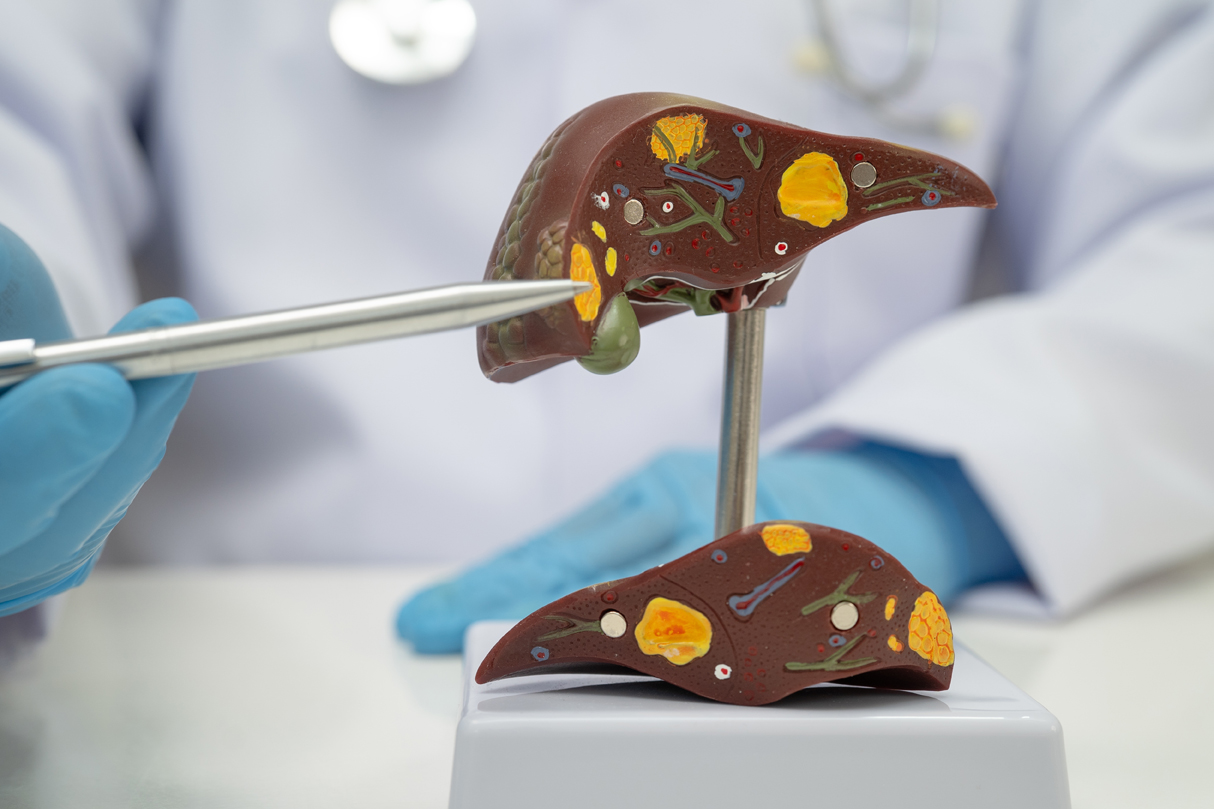
What Happens When You See a Liver Doctor?
A liver consultation typically includes:
- A detailed review of symptoms and medical history
- Assessment of lifestyle and risk factors
- Blood tests to evaluate liver function
- Imaging tests such as ultrasound, computed tomography (CT) scan or magnetic resonance imaging (MRI)
In some cases, additional tests such as FibroScan or liver biopsy may be recommended.
Early evaluation allows for clearer diagnosis, monitoring, and timely treatment.
Consulting a Liver Doctor for Early Symptoms
Early liver disease can be difficult to recognise because symptoms are often mild or mistaken for common conditions. By beginning care at an earlier stage, it is easier for liver specialists to carry out clearer diagnosis, appropriate monitoring and suitable treatment before complications develop.
At Kieron Lim Gastroenterology, patients receive personalised assessments under the care of Consultant Gastroenterologist and Hepatologist Dr Kieron Lim. With extensive experience in liver and digestive conditions, Dr Lim provides focused evaluation to help patients understand their symptoms, risk factors and next steps with confidence. If you are concerned about possible liver symptoms, contact us today to book an appointment with our liver doctor.
Frequently Asked Questions (FAQs) About Early Liver Symptoms
Do I need to see a hepatologist if I only have one symptom?
What tests will a liver doctor perform to check for liver disease?
How do I know if my symptoms are related to the liver or something else?
Are early liver symptoms reversible?

Meet Our Doctor
Dr Kieron Lim
Senior Consultant Gastroenterologist & Hepatologist
MBBS, University of LondonMember, Royal College of Physicians (UK)Fellow, Academy of Medicine (Gastroenterology) SingaporeFellow, Royal College of Physicians (Edinburgh)
Dr Kieron Lim is a senior consultant specialising in Gastroenterology and Hepatology, providing comprehensive care for patients with gastrointestinal conditions in Singapore. His expertise extends to disorders affecting the oesophagus, stomach, colon, liver, pancreas, and gallbladder. Through his experience, Dr Lim enhances patient outcomes by facilitating early detection and timely medical interventions.

Contact Us
Whatsapp: +65 9726 0495 | Telephone: +65 6836 0080
Fax: +65 6836 0090 | Emergency: +65 6533 0088
Email: enquiries@kieronlimgastro.sg