




Dr Kieron Lim
Senior Gastroenterologist & Hepatologist
MBBS, University of London, Member, Royal College of Physicians (UK), Fellow, Academy of Medicine (Gastroenterology) Singapore, Fellow, Royal College of Physicians (Edinburgh)
Gastroesophageal reflux disease (GERD) occurs when stomach contents repeatedly flow back into the oesophagus, causing symptoms such as heartburn, regurgitation, chest discomfort or a sour taste in the mouth. Unlike occasional acid reflux, GERD can disrupt sleep, affect daily activities and damage the lining of the oesophagus if not properly managed.
Treatment is not the same for every patient. Mild symptoms may improve through changes to one's lifestyle, while more persistent GERD may require medication or surgical procedures.
Understanding the available treatment options can help patients feel more informed and assured about their care, including what each approach involves and why certain treatments may be recommended by their gastroenterologist.
What Lifestyle Changes Can Help with GERD?
Lifestyle changes are often part of the initial approach to managing GERD, particularly when certain eating habits, body weight or sleeping patterns contribute to symptoms.
Depending on the individual, adjustments to when and how much they eat, their sleeping position and weight management may help reduce reflux and improve symptoms of persistent GERD.
Avoid Eating Close to Bedtime
Try to finish meals at least 2–3 hours before lying down. This gives the stomach time to empty and may reduce night-time reflux.
Eat Smaller Meals
Large meals fill and stretch the stomach, which can make reflux more likely. Eating smaller portions may help reduce post-meal heartburn and regurgitation.
Elevate the Head During Sleep
People with night-time reflux may benefit from raising the head of the bed or using a wedge pillow. Simply adding ordinary pillows may not provide adequate elevation.
Avoid Tight-Fitting Clothing
Tight waistbands and clothing that compresses the abdomen may increase pressure on the stomach. Looser clothing can be helpful, particularly after meals.
Maintain a Healthy Weight
Excess weight around the abdomen can increase pressure on the stomach. For patients who are overweight, gradual weight loss may help improve GERD symptoms.
Which Medications Are Used to Treat GERD?
GERD medications either neutralise existing stomach acid, reduce acid production or help prevent reflux. The most suitable option depends on how often symptoms occur, whether the oesophagus is inflamed and how well the patient responds to treatment. A doctor may recommend adjusting the dose or type of medication if symptoms persist.
Proton Pump Inhibitors
Proton pump inhibitors (PPIs) are commonly used for frequent or persistent GERD. They strongly reduce stomach acid, helping to relieve heartburn and heal inflammation or damage in the oesophagus. Examples include omeprazole, esomeprazole, lansoprazole and pantoprazole. Some patients require longer-term treatment, particularly if they have severe erosive oesophagitis, although treatment should be reviewed periodically.
H2-Receptor Blockers
H2-receptor blockers reduce acid production by blocking histamine receptors in the stomach. Examples include famotidine and cimetidine. They may be suitable for mild or intermittent GERD and can also help manage night-time symptoms.
These medicines usually act more quickly than PPIs but do not suppress acid as strongly or heal oesophageal inflammation as effectively. Their effectiveness may also decrease when used continuously because the body can develop tolerance.
Prokinetics
Prokinetics help food move more efficiently through the digestive tract by stimulating contractions in the stomach and intestines. They may promote faster stomach emptying, reduce the volume and pressure of stomach contents and, in some cases, strengthen the lower oesophageal sphincter. These effects can help limit reflux when delayed stomach emptying contributes to GERD symptoms.
Due to their potential side effects, prokinetics are generally used under medical supervision and are reserved for selected patients with confirmed delayed stomach emptying.
What Surgical Treatments Are Available for GERD?
Surgery may be considered when GERD remains troublesome despite lifestyle changes and medication, when patients cannot tolerate medication or when a structural problem such as a hiatal hernia contributes to reflux. Before recommending surgery, a specialist may use endoscopy, reflux monitoring and oesophageal function tests to confirm GERD and determine which procedure is suitable.
LINX Surgery
LINX surgery involves placing a small ring of magnetic beads around the lower oesophageal sphincter. The magnetic attraction helps keep the sphincter closed to prevent stomach contents from flowing upwards. When the patient swallows, the ring temporarily expands to allow food and liquid to enter the stomach.
Nissen Fundoplication
Nissen fundoplication strengthens the barrier between the stomach and oesophagus by wrapping the upper part of the stomach completely around the lower oesophageal sphincter. This creates additional pressure around the sphincter, helping to prevent acid and other stomach contents from moving upwards. A hiatal hernia can usually be repaired during the same operation.
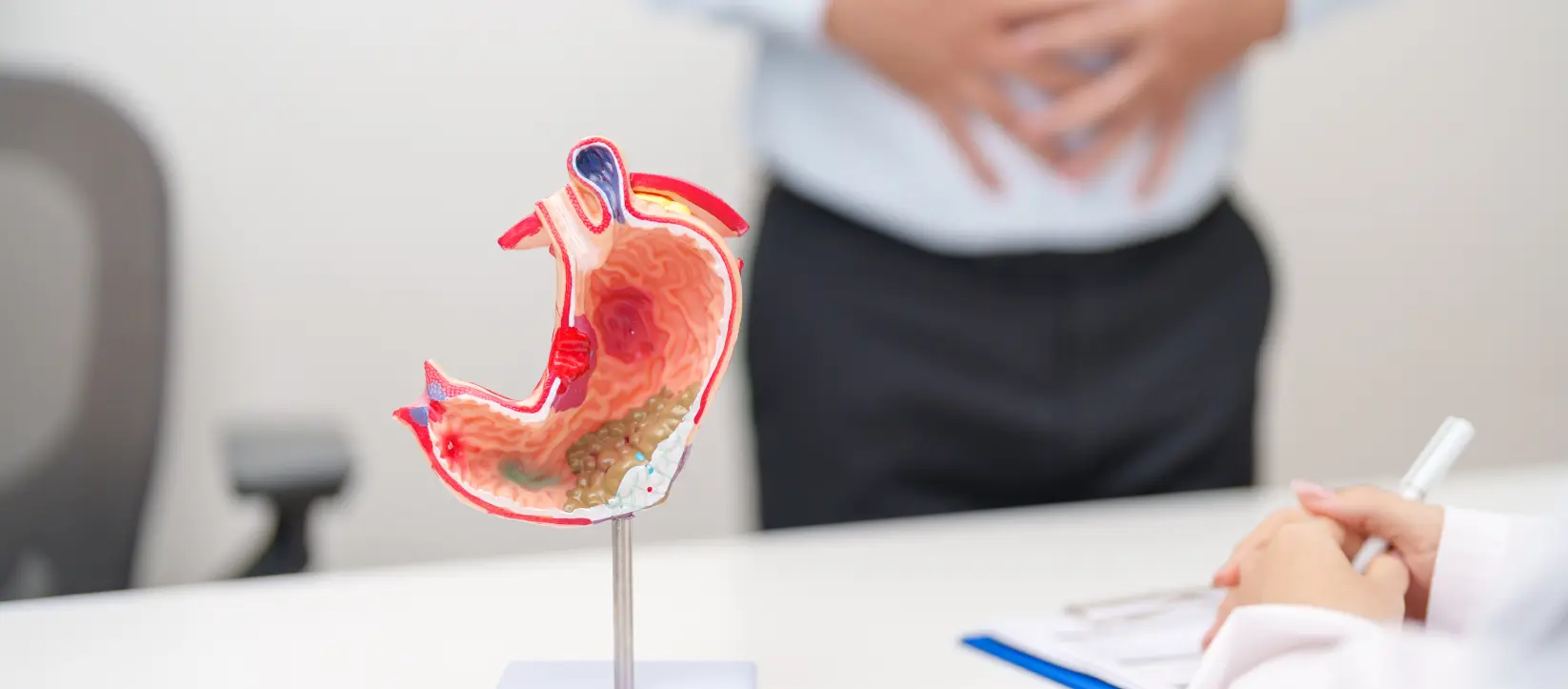
Find the Right GERD Treatment with Dr Kieron Lim
GERD does not always require the same level of treatment. While some patients achieve adequate symptom control with lifestyle changes or medication, persistent symptoms, complications or reflux that does not respond to initial treatment may require further assessment. A gastroenterologist can evaluate what is contributing to the reflux, assess whether the oesophagus has been affected and determine whether changes to medication or surgical treatment should be considered.
Kieron Lim Gastroenterology provides diagnostic assessment and personalised specialist care for patients with GERD and other digestive conditions. Senior Consultant Gastroenterologist & Hepatologist Dr Kieron Lim evaluates each patient's symptoms to recommend a suitable management plan.
If persistent heartburn or regurgitation is affecting your daily life, schedule an appointment with us for further evaluation.
Frequently Asked Questions About Treating GERD
Can GERD be cured permanently?
How long does GERD treatment take to work?
Can I stop GERD medication once my symptoms improve?
Can GERD return after surgery?
How is GERD different from occasional acid reflux?

Meet Our Doctor
Dr Kieron Lim
Senior Consultant Gastroenterologist & Hepatologist
MBBS, University of LondonMember, Royal College of Physicians (UK)Fellow, Academy of Medicine (Gastroenterology) SingaporeFellow, Royal College of Physicians (Edinburgh)
Dr Kieron Lim is a senior consultant specialising in Gastroenterology and Hepatology, providing comprehensive care for patients with gastrointestinal conditions in Singapore. His expertise extends to disorders affecting the oesophagus, stomach, colon, liver, pancreas, and gallbladder. Through his experience, Dr Lim enhances patient outcomes by facilitating early detection and timely medical interventions.

Contact Us
Whatsapp: +65 9726 0495 | Telephone: +65 6836 0080
Fax: +65 6836 0090 | Emergency: +65 6533 0088
Email: enquiries@kieronlimgastro.sg