



Dr Kieron Lim
Senior Consultant Gastroenterologist
MBBS (University of London), MRCP (UK), FRCP (Edinburgh), FAMS (Gastroenterology)
Gallstones and bile duct blockages are common digestive conditions that can range from silent and harmless to painful and potentially serious. They involve the organs and ducts responsible for storing and transporting bile, a fluid that helps the body digest fats.
Some people may never realise they have gallstones, while others develop symptoms that interfere with daily life. In certain cases, a blockage in the bile duct can lead to infection or inflammation that requires urgent medical attention.
Understanding how these conditions develop and how they present is the first step towards timely care and effective treatment.
What Are Gallstones and Bile Duct Blockages?
A gallstone is a hardened deposit that forms inside the gallbladder. The gallbladder, which is located beneath the liver, is meant to store bile and secrete it into the small intestine to aid in digestion. Bile is made up of cholesterol, bile salts and waste products such as bilirubin. When this mixture is chemically imbalanced, it can cause these components to form small, grain-like particles. These grains are known as gallstones, and can vary greatly in size.
A bile duct blockage occurs when a stone moves out of the gallbladder and becomes lodged in one of the bile ducts. These ducts act as channels that carry bile from the liver and gallbladder into the small intestine. When the ducts are blocked, bile cannot flow normally, leading to pain, infection or inflammation of nearby organs.
What Causes Gallstones to Form?
Gallstones are formed due to an imbalance in the substances that make up bile. Direct physical causes include:
- Excess cholesterol crystallising in bile
- Insufficient bile salts to dissolve cholesterol
- Poor gallbladder emptying, which allows bile to concentrate and stagnate
- Increased bilirubin waste in bile, due to liver conditions or blood disorders
Several risk factors can lead to an increased likelihood of gallstone formation. These include:
- Increasing age
- Obesity
- Rapid weight loss
- Pregnancy
- A family history of gallstones
- High-cholesterol diets
When Should I See a Specialist for Gallstones and Bile Duct Blockage?
When gallstones reach a certain size or begin to block the bile ducts, symptoms are often noticeable, painful and uncomfortable. You should see a gastroenterologist if you are experiencing:
Right upper abdominal pain:
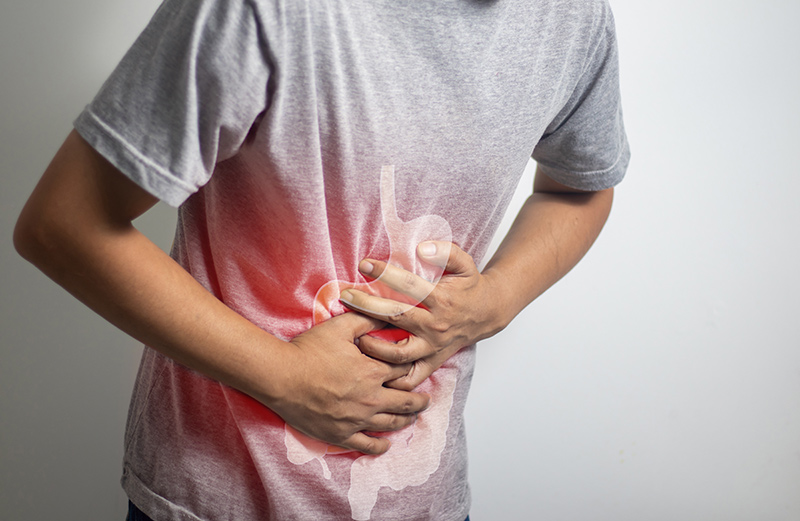
Pain is typically felt in the upper right abdomen, just beneath the rib cage. It may present as a sharp or cramp-like onset. Some episodes last less than an hour, while others persist for several hours. The pain can sometimes radiate to the back or right shoulder.
Pain after fatty meals:
The gallbladder contracts after eating, especially after fatty or heavy meals. If a stone temporarily blocks the outlet, this contraction can trigger discomfort or intense pain shortly after eating.
Nausea and vomiting:
Digestive upset often accompanies gallbladder-related pain. Nausea and occasional vomiting may occur during painful episodes.
Fever and chills:
These symptoms may indicate infection within the bile duct system or gallbladder. If experienced together with abdominal pain, these symptoms should not be ignored.
Jaundice and dark urine:
If a stone obstructs the bile duct, bile cannot drain properly. This may cause yellowing of the skin and eyes, dark-coloured urine and pale stools.
If you are experiencing these symptoms, particularly abdominal pain, fever with chills or jaundice, they may signal a blocked or infected bile duct, which requires prompt medical attention.
How Are Gallstones and Bile Duct Blockages Diagnosed?
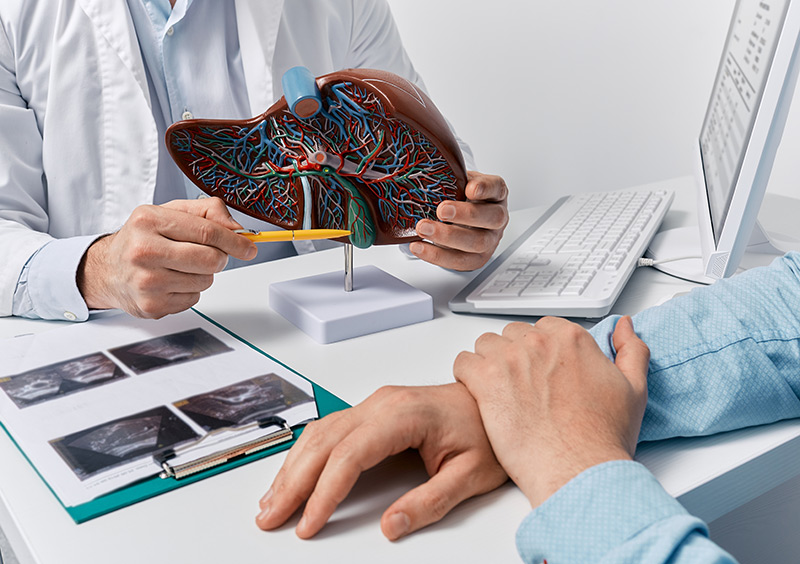
When you seek out a specialist consultation, a gastroenterologist will first begin with a detailed discussion of your symptoms, medical history and risk factors. They can also obtain important diagnostic clues from the pattern of pain, associated digestive symptoms and the presence of fever or jaundice.
Next, your doctor will most likely conduct a physical examination, paying particular attention to tenderness in the upper-right abdomen. They will also perform a blood test to assess liver function, check for signs of infection and evaluate inflammation. If abnormal liver enzymes or elevated levels of bilirubin are detected, it may be a sign of bile duct obstruction.
Imaging studies further help to confirm the diagnosis. An abdominal ultrasound is usually the first-line investigation, as it is non-invasive and effective at detecting gallstones and signs of blockage. If further detail is needed, MRI tests can provide a clearer view of the bile ducts.
How Do Gastroenterological Surgeons Treat Gallstones?
Not all gallstones require immediate intervention. Management is tailored based on symptom severity, stone location and overall health status. If a bile stone is causing a blockade, a patient will usually be referred to a gastroenterological surgeon, who can carry out specific procedures or prescribe specific types of medication.
Medications to Dissolve Cholesterol Gallstones
In selected cases, oral bile-acid medications may be used to gradually dissolve cholesterol-based stones. This approach is typically reserved for patients who are not suitable candidates for surgery.
ERCP for Bile Duct Stones
If a stone has migrated into the bile duct, endoscopic retrograde cholangiopancreatography (ERCP) may be performed. This procedure allows the specialist to access the bile duct through an endoscope and remove the obstructing stone without open surgery.
Laparoscopic Gallbladder Removal
For patients with recurrent pain, inflammation or complications, surgical removal of the gallbladder may be recommended. Laparoscopic cholecystectomy is a commonly performed minimally invasive procedure carried out under general anaesthesia.
After removal, patients typically experience a temporary change in their digestive abilities, as the gallbladder is no longer present to store bile. Many patients gradually adapt and recover from this over time.
Seeking Out Early Assessment and Diagnosis for Gallstones
Gallstones and bile duct blockages can range from mild and intermittent discomfort to serious and potentially life-threatening complications. Recognising symptoms early and seeking timely evaluation helps reduce the risk of infection, pancreatitis and other serious outcomes.
If you are experiencing persistent upper abdominal pain, jaundice or digestive discomfort that does not improve, a specialist consultation can clarify the cause and guide safe, evidence-based treatment. At Kieron Lim Gastroenterology, evaluation begins with a thorough clinical review supported by appropriate blood tests and imaging to determine whether gallstones or bile duct obstruction are present. Dr Kieron Lim, senior consultant gastroenterologist and hepatologist, provides structured assessment and personalised management plans based on symptom severity, risk profile and diagnostic findings.
If you are concerned about possible gallstones or bile duct blockage, contact us today for a comprehensive evaluation and clear guidance on the next steps.
Frequently Asked Questions (FAQs) About Gallstones
Can gallstones go away on their own?
Most gallstones do not disappear spontaneously. Once formed, they typically remain in the gallbladder unless removed or dissolved with specific medication in carefully selected cases.
Do gallstones cause cancer?
Gallstones themselves do not directly cause cancer. However, long-standing gallbladder inflammation associated with chronic gallstones has been linked to an increased risk of gallbladder cancer.
Is surgery always necessary for gallstones?
Surgery is not always required. Patients without symptoms may only need monitoring. However, recurrent pain, infection or complications such as bile duct blockage often make surgical removal the most effective long-term solution.
Can weight loss cause gallstones?
Yes. Rapid weight loss or crash dieting can increase the risk of gallstone formation. Gradual, sustained weight reduction is generally safer and less likely to trigger stone development.
What foods should I avoid if I have gallstones?
Heavy, high-fat meals may trigger gallbladder pain in some individuals. While diet alone does not remove gallstones, maintaining a balanced, moderate-fat diet may help reduce symptom flare-ups if you have a gallstone that is not actively causing pain or infection.

Meet Our Specialist
Dr Kieron Lim
MBBS, University of LondonMember, Royal College of Physicians (UK)Fellow, Academy of Medicine (Gastroenterology) SingaporeFellow, Royal College of Physicians (Edinburgh)
Dr Kieron Lim is a senior consultant specialising in Gastroenterology and Hepatology, providing comprehensive care for patients with gastrointestinal conditions in Singapore. His expertise extends to disorders affecting the oesophagus, stomach, colon, liver, pancreas, and gallbladder. Through his experience, Dr Lim enhances patient outcomes by facilitating early detection and timely medical interventions.

Location
Mount Elizabeth Medical Centre
3 Mount Elizabeth #10-02Singapore 228510
Contact Us
Whatsapp: (65) 9726 0495 | Telephone: (65) 6836 0080
Fax: (65) 6836 0090 | Emergency: (65) 6533 0088
Email: enquiries@kieronlimgastro.sg