



Dr Kieron Lim
Consultant Gastroenterologist & Hepatologist
MBBS, University of London, Member, Royal College of Physicians (UK), Fellow, Academy of Medicine (Gastroenterology) Singapore, Fellow, Royal College of Physicians (Edinburgh)
As a person gets older, it becomes more likely that changes and abnormalities may occur in the colon. For this reason, colonoscopy screenings are widely recommended as part of a general checkup once individuals reach a certain age, even if they do not have symptoms.
Many people end up wondering about the right time to begin screening, and how often the procedure should be repeated. Others may need to undergo the procedure earlier than expected, due to personal risk factors or pre-existing conditions.
In order to seek out the most effective aid and ensure that potential health risks are detected and managed early, it is important to be aware of the ideal use cases for colonoscopy screening, and the right intervals to seek out a screening from a gastroenterologist.
When Is Colonoscopy Screening Recommended?
Routine colonoscopy screening for colorectal cancer is typically recommended for older adults. However, the timing of the first colonoscopy and the recommended screening interval can vary depending on a person's overall health, family history and individual risk factors.
Colonoscopy For Average-risk Individuals
Individuals who are considered to be at average risk for colorectal cancer are typically advised to begin routine colonoscopy screening from around the age of 50. If no unusual results are found during the procedure, the next screening is commonly recommended in the next 10 years. This long interval may change depending on the doctor's assessment.
Colonoscopy For Higher-risk Individuals
Some individuals may be considered at higher risk for colorectal cancer and may require earlier screening or more frequent colonoscopies. This may apply to those who experience certain symptoms or who have underlying risk factors that increase their likelihood of developing colorectal conditions.
Symptoms
A doctor may recommend a screening even before the age of 50 if a patient is exhibiting persistent symptoms of colorectal conditions, which can include:
- Constant changes in bowel habits, including diarrhoea or constipation
- Blood in the stool or rectal bleeding
- Unexplained abdominal pain or discomfort
- Unexplained weight loss
- Ongoing fatigue related to possible iron-deficiency anaemia
These symptoms may indicate underlying conditions affecting the colon and should be evaluated promptly. A colonoscopy allows the doctor to examine the colon more closely and determine whether further investigation or treatment is required.
Risk Factors
Earlier or more frequent screening may also be recommended for individuals with no direct symptoms, but who have risk factors and prior health conditions that could signal an issue. Some factors are:
- A family history of colorectal cancer or colon polyps
- A personal history of colon polyps
- Inflammatory bowel diseases such as ulcerative colitis or Crohn's disease
- Certain inherited conditions that increase colorectal cancer risk
- Previous colorectal cancer diagnosis or treatment
In the event that a patient is considered higher-risk for colorectal cancer, the interval between checkups will likely also decrease. Some patients are advised to undergo colonoscopy screening every 3–5 years, along with regular monitoring sessions for associated bowel conditions.
What Happens During a Colonoscopy?
During a colonoscopy, a doctor uses a flexible endoscopic tube to examine the inside of the large intestine. This device is equipped with a small camera and light that transmits images to a screen, allowing the doctor to check for abnormalities such as polyps, inflammation or signs of disease.
Before the procedure, patients are usually required to follow specific preparation instructions to ensure that the colon is clear. This may include dietary adjustments and the use of bowel-cleansing medication.
During the procedure, the colonoscope is gently inserted through the rectum and guided through the colon. Patients are typically given sedation to help them remain comfortable. If polyps or suspicious tissue are found, the doctor may remove them or take a small tissue sample for further analysis.
The procedure usually takes about 30–60 minutes, and most patients are able to return home the same day.
What Conditions Can a Colonoscopy Diagnose?
During a colonoscopy, your doctor will be able to visually confirm the presence of abnormalities and polyps. Some of the conditions that a colonoscopy may help to detect include:
Colon Polyps:
Growths that form on the lining of the colon. While many are harmless, some polyps can develop into colorectal cancer over time if left untreated. These polyps are usually removed during the procedure itself.
Colorectal Cancer:
A type of cancer that develops in the colon or rectum. Colonoscopy allows doctors to detect early-stage cancer or precancerous changes before symptoms appear.
Inflammatory Bowel Disease (IBD):
Chronic inflammatory conditions such as ulcerative colitis and Crohn's disease that affect the digestive tract and may require ongoing monitoring.
Diverticular Disease:
A condition where small pouches called diverticula form in the colon wall. These may become inflamed or infected, leading to diverticulitis.
Gastrointestinal Bleeding:
A colonoscopy can help identify the source of bleeding in the lower digestive tract, particularly in patients with blood in the stool or unexplained anaemia.
A colonoscopy cannot directly diagnose irritable bowel syndrome (IBS), but it can be used to rule out other inflammatory conditions that might mimic IBS symptoms, aiding in proper diagnosis.
Safeguarding Your Colorectal Health With a Gastroenterological Specialist
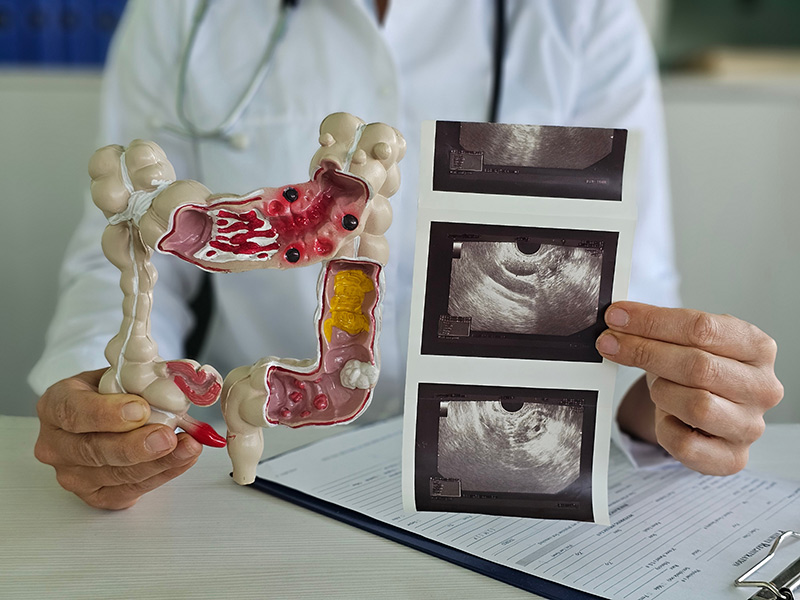
Colonoscopy remains one of the most effective methods for detecting colorectal abnormalities at an early stage. Routine screening can increase the likelihood of effective treatment, allowing potential issues to be identified and addressed before they develop into more serious conditions. With careful endoscopic evaluation, conditions such as colon polyps, colorectal cancer and inflammatory bowel disease (IBD) can be identified and managed at an early stage.
At Kieron Lim Gastroenterology, colonoscopy screenings are conducted under the care of Dr Kieron Lim, a senior consultant gastroenterologist and hepatologist with more than 20 years of clinical experience. Each patient undergoes a structured assessment that considers their symptoms, medical history and individual risk factors to determine the most appropriate screening approach. This approach supports timely treatment, ongoing monitoring and greater confidence in maintaining long-term colorectal health.
Contact us today for a comprehensive evaluation and clear recommendations on the next steps for managing your colorectal health.
Frequently Asked Questions (FAQs) About Colonoscopy Screening
Is a colonoscopy painful?
Most patients do not experience pain during a colonoscopy. The procedure is done with sedation to keep patients comfortable throughout the procedure.
How long does a colonoscopy take?
A colonoscopy procedure usually takes about 30–60 minutes to complete. However, patients should expect to spend a few hours at the clinic or hospital to allow time for preparation, sedation and recovery after the procedure.
Do you need to prepare for a colonoscopy?
Yes. Proper bowel preparation is required before the procedure so the doctor can clearly examine the colon lining. This usually involves following a temporary dietary restriction and taking prescribed bowel-cleansing medication the day before the examination.
What foods should you avoid before a colonoscopy?
Patients are usually advised to avoid high-fibre foods such as nuts, seeds, whole grains and raw vegetables several days before the procedure. The day before the colonoscopy, most patients are placed on a clear liquid diet to ensure the colon is properly prepared.
Are there alternatives to a colonoscopy?
Some screening alternatives include stool-based tests and CT colonography. However, colonoscopy remains one of the most comprehensive screening methods because it allows doctors to both detect abnormalities and remove polyps during the same procedure.

Meet Our Colonoscopy Doctor
Dr Kieron Lim
MBBS, University of LondonMember, Royal College of Physicians (UK)Fellow, Academy of Medicine (Gastroenterology) SingaporeFellow, Royal College of Physicians (Edinburgh)
Dr Kieron Lim is a senior consultant specialising in Gastroenterology and Hepatology, providing comprehensive care for patients with gastrointestinal conditions in Singapore. His expertise extends to disorders affecting the oesophagus, stomach, colon, liver, pancreas, and gallbladder. Through his experience, Dr Lim enhances patient outcomes by facilitating early detection and timely medical interventions.

Contact Us
Whatsapp: (65) 9726 0495 | Telephone: +65 6836 0080
Fax: (65) 6836 0090 | Emergency: +65 6836 0080
Email: enquiries@kieronlimgastro.sg