




Dr Kieron Lim
Senior Gastroenterologist & Hepatologist
MBBS, University of London, Member, Royal College of Physicians (UK), Fellow, Academy of Medicine (Gastroenterology) Singapore, Fellow, Royal College of Physicians (Edinburgh)
Many digestive conditions can present with similar symptoms, making it difficult to tell them apart without proper medical evaluation. IBS and IBD are two commonly discussed gastrointestinal conditions that are frequently mistaken for one another, particularly because both can affect bowel habits and day-to-day digestive comfort.
However, understanding the distinction between the two is important, as they differ significantly in how they affect the digestive tract, how they are managed and the potential impact they may have on long-term health.
Key Takeaways
- IBS and IBD may share symptoms such as abdominal pain and changes in bowel habits, but they are very different conditions.
- IBS is a functional digestive disorder that does not cause inflammation or permanent bowel damage.
- IBD involves chronic inflammation in the digestive tract and can lead to serious complications if left untreated.
- Common warning signs of IBD include blood in stools, unexplained weight loss, persistent diarrhoea and fatigue.
- Early evaluation by a gastroenterologist is important if symptoms are severe, ongoing or affecting daily life.
What Is IBS and What Is IBD?
Irritable bowel syndrome (IBS) is a digestive disorder that affects how the bowel works, often causing abdominal discomfort, bloating and changes in bowel habits without visible inflammation or damage to the intestines.
Inflammatory Bowel Disease (IBD) is not a single condition, but a group of chronic inflammatory diseases that cause ongoing inflammation in the digestive tract. The two main types of IBD are Crohn's disease and ulcerative colitis. Crohn's disease can affect any part of the digestive tract from the mouth to the anus, while ulcerative colitis mainly affects the colon and rectum.
People commonly confuse IBS and IBD because both conditions can cause symptoms such as abdominal pain, diarrhoea and bowel habit changes, despite being fundamentally different disorders.
What Are the Main Symptoms of IBS vs IBD?
IBS and IBD can share certain digestive symptoms, but the type, severity and associated warning signs often differ. IBS symptoms are typically related to bowel function and digestive discomfort, while IBD symptoms are more likely to involve inflammation and signs of ongoing disease activity.
Common IBS Symptoms
People with IBS commonly experience:
- Abdominal pain or cramping
- Bloating and gas
- Diarrhoea, constipation or alternating bowel habits
- Symptoms linked to stress or certain foods
IBS symptoms often come and go over time and may worsen after eating certain foods, during periods of stress or alongside changes in routine.
Common IBD Symptoms
IBD symptoms are generally associated with chronic inflammation in the digestive tract and may become progressively more severe if left untreated. These include:
- Persistent diarrhoea
- Blood in stools
- Unexplained weight loss
- Fatigue and loss of appetite
- Fever and ongoing inflammation
During flare-ups, symptoms can become severe enough to interfere with daily activities and may lead to complications such as dehydration, nutritional deficiencies or intestinal damage.
Unlike IBS, IBD may also cause inflammation outside the digestive tract, including joint pain, skin problems and eye inflammation in some individuals.
Which Is More Serious: IBS or IBD?
While both IBS and IBD can affect daily life and cause ongoing digestive symptoms, IBD is generally considered the more serious medical condition because it involves chronic inflammation that can damage the digestive tract over time.
The Impact of IBS
IBS can have a significant impact on quality of life, particularly when symptoms such as abdominal pain, bloating, diarrhoea or constipation occur frequently. Some individuals may find that symptoms interfere with work, social activities, diet and emotional well-being. However, IBS does not cause bleeding, intestinal ulcers or permanent damage to the digestive tract.
The Impact of IBD
In contrast, IBD can lead to ongoing inflammation that damages the lining of the intestines. Over time, this may result in complications such as ulcers, narrowing of the intestines, scarring, fistulas, malnutrition or bowel obstruction. In more severe cases, surgery may be required to manage complications or remove damaged sections of the bowel.
Because IBD is a progressive inflammatory condition, early diagnosis and treatment are important to help control inflammation, reduce flare-ups and prevent long-term complications. Seeking medical attention early is especially important if symptoms include blood in the stools, unexplained weight loss, persistent diarrhoea or severe abdominal pain.
What Should You Do if You Are Unsure Whether You Have IBS or IBD?
Due to their similarity, it can be difficult to tell the difference between IBS and IBD. As such, you should seek out a diagnosis from a specialist if you are experiencing symptoms. While a medical assessment is always more useful than self-directed observation, it is important to be able to identify the key differences.
| Key Difference | IBS | IBD |
|---|---|---|
| Inflammation or Damage | No inflammation or intestinal damage | Causes inflammation and bowel damage |
| Common Symptoms | Bloating, abdominal discomfort, bowel habit changes | Persistent diarrhoea, blood in stools, weight loss |
| Severity | Affects quality of life but not life-threatening | May lead to serious complications if untreated |
| Treatment Approach | Lifestyle and symptom management | Long-term medical treatment and monitoring |
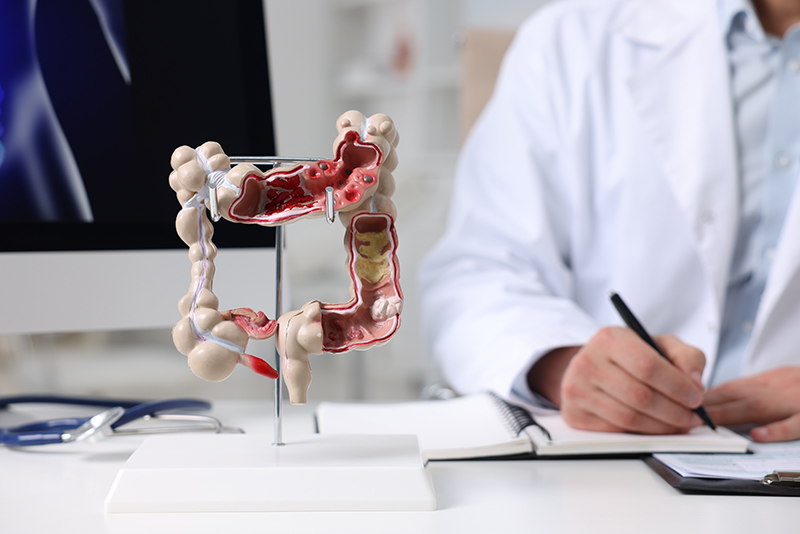
Diagnosing IBS and IBD with the Help of a Gastroenterologist
Seeking medical advice is particularly important if symptoms of IBS and IBD are persistent. Even when symptoms are caused by IBS rather than IBD, ongoing digestive discomfort can still significantly affect daily routines, eating habits, sleep, work productivity and emotional well-being if left unmanaged.
Delaying assessment may allow underlying inflammation or digestive problems to progress, potentially leading to complications such as intestinal damage, nutritional deficiencies, dehydration or bowel obstruction in individuals with IBD. In more severe cases, untreated inflammation may increase the risk of hospitalisation or the need for surgery.
Early care from a gastroenterologist can help identify the underlying cause of symptoms, rule out more serious gastrointestinal conditions and ensure appropriate treatment is started as soon as possible. At Kieron Lim Gastroenterology, patients can receive personalised assessment and management for a wide range of digestive conditions, including IBS and IBD.
Care is led by Dr Kieron Lim, our consultant gastroenterologist and hepatologist, who provides evidence-based care tailored to each individual's symptoms, lifestyle and long-term digestive health needs.
If you are experiencing ongoing digestive symptoms or are unsure whether you may have IBS or IBD, contact us today to arrange a detailed consultation with our gastroenterologist.
Frequently Asked Questions (FAQs) About IBS and IBD
Can IBS turn into IBD?
Can you live normally with IBS or IBD?
Why is it important to diagnose IBS and IBD early?
Can stress make IBS or IBD worse?

Meet Our Doctor
Dr Kieron Lim
Senior Consultant Gastroenterologist & Hepatologist
MBBS, University of LondonMember, Royal College of Physicians (UK)Fellow, Academy of Medicine (Gastroenterology) SingaporeFellow, Royal College of Physicians (Edinburgh)
Dr Kieron Lim is a senior consultant specialising in Gastroenterology and Hepatology, providing comprehensive care for patients with gastrointestinal conditions in Singapore. His expertise extends to disorders affecting the oesophagus, stomach, colon, liver, pancreas, and gallbladder. Through his experience, Dr Lim enhances patient outcomes by facilitating early detection and timely medical interventions.

Contact Us
Whatsapp: +65 9726 0495 | Telephone: +65 6836 0080
Fax: +65 6836 0090 | Emergency: +65 6533 0088
Email: enquiries@kieronlimgastro.sg