




Dr Kieron Lim
Senior Gastroenterologist & Hepatologist
MBBS, University of London, Member, Royal College of Physicians (UK), Fellow, Academy of Medicine (Gastroenterology) Singapore, Fellow, Royal College of Physicians (Edinburgh)
Liver cancer staging describes how advanced the cancer is, including the size of the tumour, whether it has spread and how much the liver is still able to function. Doctors use staging to guide treatment decisions, estimate prognosis and determine whether the cancer can be removed, controlled or managed with supportive care.
Because many people with liver cancer also have underlying liver disease, such as cirrhosis or hepatitis, staging is not only about the tumour itself. Doctors also assess overall liver function, symptoms and general health before recommending treatment.
In this guide, we explain what each stage of liver cancer means, how doctors determine the stage and how staging affects treatment and survival expectations.
Key Takeaways
- Liver cancer staging describes how advanced the cancer is and whether it has spread beyond the liver.
- Doctors use scans, blood tests and liver function assessments to determine the stage.
- Early-stage liver cancer may be treated with surgery, liver transplantation or localised therapies.
- Advanced liver cancer often requires treatments focused on slowing progression and managing symptoms.
- Liver function and overall health are important factors when planning treatment.
- Staging helps guide prognosis, treatment options and long-term care planning.
How Do Doctors Determine the Stage of Liver Cancer?
Doctors use several tests to determine the stage of liver cancer, including:
- CT scans
- MRI scans
- Ultrasound imaging
- Blood tests, including alpha-fetoprotein (AFP)
- Liver function tests
- Occasionally a liver biopsy
These tests help doctors understand the size of the tumour, whether multiple tumours are present and whether the cancer has spread to blood vessels, lymph nodes or other organs.
The stage of liver cancer is usually confirmed after imaging studies are reviewed by a specialist team that may include gastroenterologists, hepatologists, liver surgeons, oncologists and radiologists.
How Does Liver Cancer Stage Impact Treatment Decisions?
Depending on the stage of liver cancer, doctors may recommend surgery, liver transplantation, local therapies, targeted therapy, immunotherapy or supportive care. Earlier-stage cancers are more likely to be treated with curative approaches, while advanced stages often focus on slowing cancer progression and improving quality of life.
Treatment decisions also depend on liver function, overall health and whether the cancer has spread beyond the liver. Because many patients with liver cancer also have cirrhosis or chronic liver disease, doctors must balance cancer treatment with preserving liver function.
What Is the Staging System for Liver Cancer?
Liver cancer is commonly divided into Stage I, II, III and IV. Earlier stages are usually confined to the liver and may be treatable with surgery or local therapies. More advanced stages often involve multiple tumours, blood vessels and organs, which can limit treatment options.
Stage I Liver Cancer
Stage I liver cancer means there is a single tumour in the liver that has not spread into nearby blood vessels or other organs. At this stage, the cancer is still localised, and many patients have few or no symptoms. Early-stage liver cancer generally has a better prognosis compared to more advanced stages.
Because the cancer is detected early, treatment options may include:
- Hepatectomy, which involves removing the part of the liver containing the tumour
- Liver transplantation, which may be suitable for selected patients with early-stage tumours that meet specific criteria
Localised therapies such as radiofrequency ablation (RFA) may be used for small tumours, particularly in patients who are not suitable candidates for surgery.
Stage II Liver Cancer
Stage II liver cancer usually means there is either a single tumour that has grown into nearby blood vessels or several small tumours within the liver. However, the cancer has not yet spread to distant organs or lymph nodes.
Treatment may still involve surgery or local therapies, depending on liver function and the extent of tumour involvement. Some patients may also be considered for liver transplantation if they meet specific criteria.
Stage III Liver Cancer
Stage III liver cancer indicates more advanced disease within the liver. The cancer may involve multiple large tumours, major blood vessels or nearby organs and tissues.
At this stage, curative treatment options may become more limited. Doctors may recommend a combination of therapies such as targeted therapy, immunotherapy, embolisation procedures or radiation therapy to help control the cancer and manage symptoms.
Stage IV Liver Cancer
Stage IV liver cancer is the most advanced stage. The cancer has spread beyond the liver to distant organs such as the lungs, bones or lymph nodes.
Treatment at this stage focuses on slowing cancer progression, prolonging survival and improving quality of life. Options may include systemic treatments such as immunotherapy or targeted therapy, along with supportive and palliative care to help manage symptoms and maintain comfort.
What Makes Liver Cancer Staging Useful in Supporting Treatment?
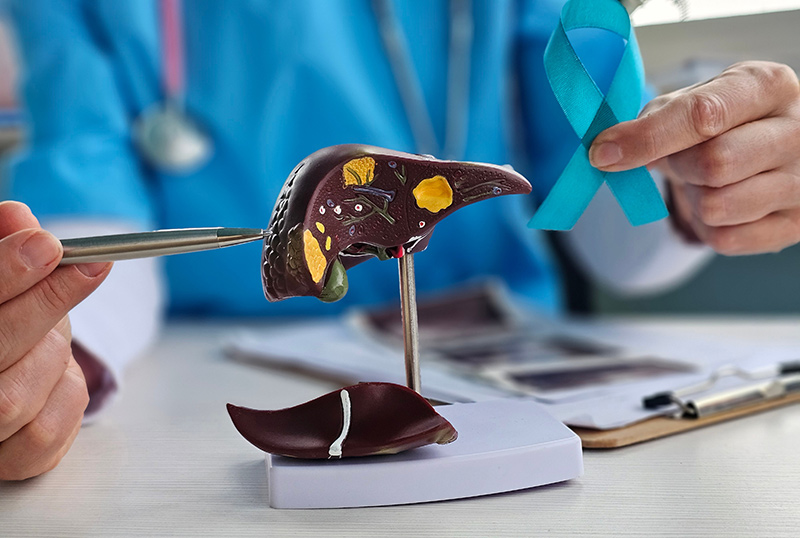
Liver cancer staging helps doctors understand how far the cancer has progressed, whether it has spread and which treatments are most appropriate. It also helps determine whether treatment should prioritise tumour response, symptom relief, preservation of liver reserve or longer-term disease monitoring.
For patients and families, staging can provide a clearer framework for discussing next steps, expected treatment intensity and how the condition may be managed over time. This can be particularly important when multiple specialists are involved in care planning.
At Kieron Lim Gastroenterology, our consultant gastroenterologist and hepatologist, Dr Kieron Lim, provides detailed liver assessment and coordinates further evaluation where needed to support timely diagnosis, staging interpretation and treatment planning for liver cancer and other liver conditions.
Contact us today to find out how we can support you with liver cancer assessment, staging interpretation and personalised treatment planning.
Frequently Asked Questions (FAQs) About Liver Cancer
Who is at higher risk of developing liver cancer?
What symptoms are common in advanced liver cancer?
Can liver cancer be cured if it is detected early?
How quickly does liver cancer spread?

Meet Our Doctor
Dr Kieron Lim
Senior Consultant Gastroenterologist & Hepatologist
MBBS, University of LondonMember, Royal College of Physicians (UK)Fellow, Academy of Medicine (Gastroenterology) SingaporeFellow, Royal College of Physicians (Edinburgh)
Dr Kieron Lim is a senior consultant specialising in Gastroenterology and Hepatology, providing comprehensive care for patients with gastrointestinal conditions in Singapore. His expertise extends to disorders affecting the oesophagus, stomach, colon, liver, pancreas, and gallbladder. Through his experience, Dr Lim enhances patient outcomes by facilitating early detection and timely medical interventions.

Contact Us
Whatsapp: +65 9726 0495 | Telephone: +65 6836 0080
Fax: +65 6836 0090 | Emergency: +65 6533 0088
Email: enquiries@kieronlimgastro.sg