




Dr Kieron Lim
Senior Gastroenterologist & Hepatologist
MBBS, University of London, Member, Royal College of Physicians (UK), Fellow, Academy of Medicine (Gastroenterology) Singapore, Fellow, Royal College of Physicians (Edinburgh)
Digestive symptoms such as bloating, nausea, loss of appetite, and changes in stool can be related to liver disease, especially if they persist, worsen, or occur alongside symptoms like fatigue or jaundice.
The liver plays a key role in digestion, particularly in bile production and nutrient processing. When liver function is impaired, these processes may be disrupted, leading to symptoms that are often mistaken for common gastrointestinal issues.
In some cases, digestive symptoms may be one of the first noticeable signs of liver dysfunction, particularly when they do not improve with dietary changes or over-the-counter treatments.
Key Takeaways
- Digestive symptoms can be an early sign of liver dysfunction, not just stomach-related issues
- Seek medical evaluation if symptoms persist for more than 1–2 weeks
- Multiple symptoms occurring together (e.g. bloating + fatigue + appetite loss) may indicate a broader issue
- More specific signs include fat intolerance and pale or greasy stools
- Symptoms that do not improve with routine treatment may require further investigation
How Does the Liver Affect Digestion?
The liver is responsible for producing bile, which is essential for fat digestion. When bile production is reduced, an individual may experience difficulty digesting fatty foods, resulting in discomfort and other symptoms.
In addition, the liver processes nutrients and regulates metabolic function that supports how the body breaks down and absorbs food. When liver function is impaired, this process becomes less efficient, which may contribute to symptoms such as fatigue, loss of appetite or a general sense of digestive discomfort.
What Digestive Symptoms Can Potentially Be Linked to Liver Disease?
Liver disease can be associated with several digestive symptoms, particularly those related to
impaired fat digestion, altered metabolism and changes in bile flow. These symptoms may affect
appetite, digestion and bowel habits, and can vary depending on the severity and underlying
cause of liver dysfunction. \
Some of these symptoms are easier to attribute to unrelated causes, while others, such as issues
with fatty food or stool colour, are more obvious indicators of a liver issue.
Nausea and Vomiting
Nausea and occasional vomiting may occur when the liver is less effective at processing toxins and metabolic byproducts, leading to a general feeling of queasiness, especially after meals.
When to act: If nausea is persistent or occurs frequently after eating.
Loss of Appetite
A reduced appetite is a common early feature of liver dysfunction and may be linked to metabolic changes and a general sense of unwellness.
When to act: If appetite loss lasts more than 1–2 weeks or is associated with weight loss.
Bloating and Abdominal Discomfort
Bloating or a feeling of fullness can result from impaired digestion. In more advanced
cases, fluid accumulation in the abdomen may also contribute to discomfort.
When to act: If symptoms are persistent, worsening, or unexplained.
Changes in Stool Colour and Consistency
Liver dysfunction can affect bile flow, which gives stool its normal colour. Reduced bile may result in pale or clay-coloured stools, while fat malabsorption may cause greasy or difficult-to-flush stools.
When to act: If these changes persist for several days.
Difficulty Digesting Fatty Foods
Reduced bile production can make it harder to digest fatty meals, leading to bloating, nausea, cramps, or loose stools after eating high-fat foods.
When to act: If symptoms consistently occur after fatty meals.
Unexplained Weight Loss
Unintentional weight loss may occur due to reduced appetite, impaired nutrient absorption, and metabolic changes associated with liver dysfunction.
When to act: If weight loss is ongoing or unexplained.
When Are Digestive Symptoms More Likely to Be Liver-Related?
Digestive symptoms may be linked to liver disease when they:
- Persist beyond 1–2 weeks
- Do not improve with dietary changes or routine treatment
- Occur together with other symptoms, such as fatigue, dark urine, or jaundice
- Are triggered by fatty foods
- Include changes in stool colour
These patterns suggest the symptoms may not be purely digestive in origin.
Why Are Liver Disease Symptoms Often Mistaken for Common Digestive Issues?
Liver-related symptoms are often mistaken for common digestive issues because they tend to be non-specific and overlap with conditions such as indigestion, gastritis or food intolerance. Symptoms like bloating, nausea or loss of appetite are frequently attributed to dietary habits or minor gastrointestinal disturbances rather than an underlying liver condition.
In addition, early-stage liver disease often develops gradually and may not cause severe pain, making it easier to overlook. Because of this, symptoms are often dismissed until they persist, worsen, or occur alongside other health changes.
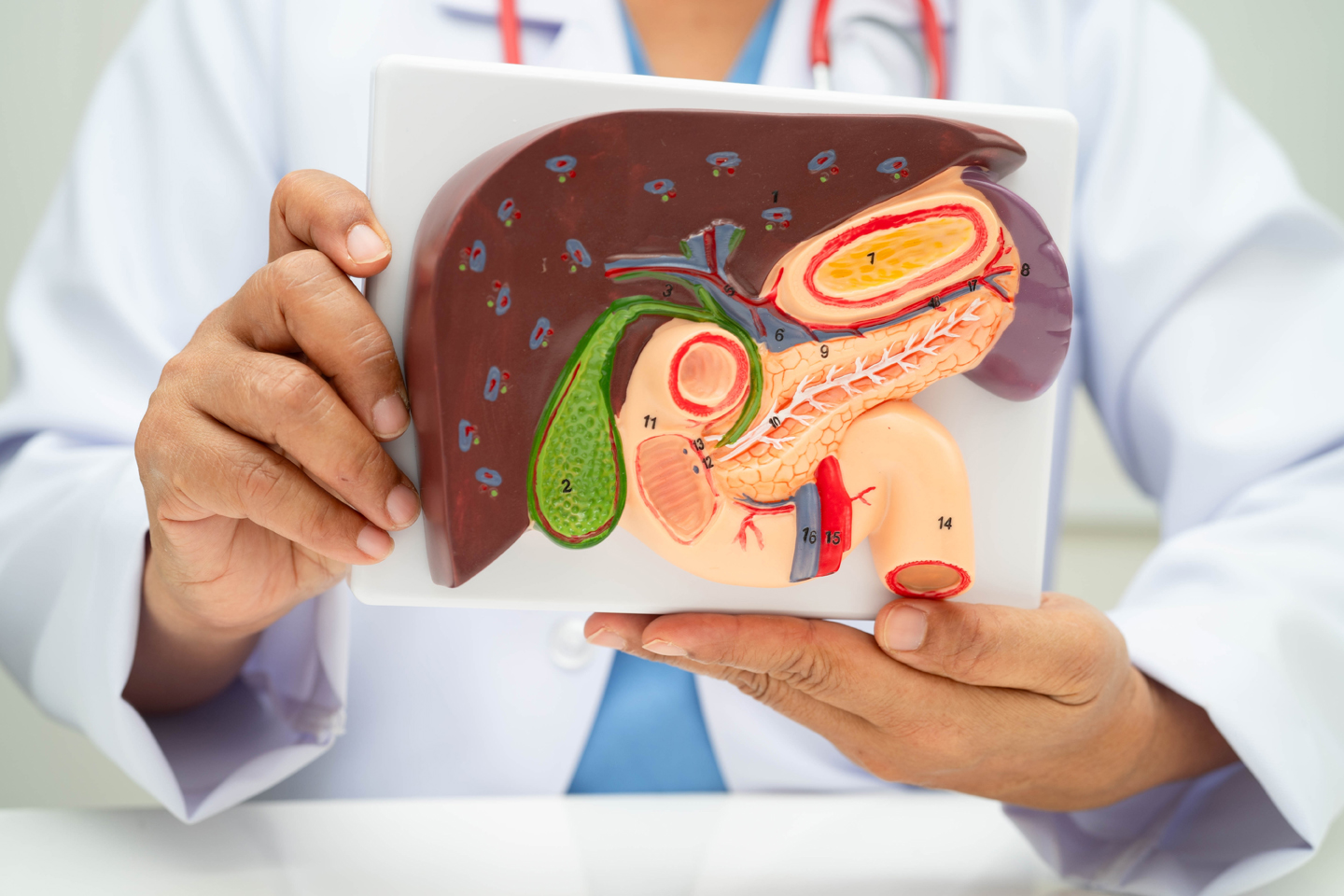
When Should You See a Liver Specialist for Digestive Issues?
You should consider seeing a liver doctor if:
- Symptoms persist for more than 1–2 weeks
- Symptoms are recurring or worsening over time
- You experience multiple symptoms together
-
You notice warning signs, such as:
- Jaundice
- Pale stools
- Unexplained weight loss
- Symptoms do not improve with dietary changes or over-the-counter treatments
Early evaluation allows for a more accurate diagnosis and timely management.
Consulting a Liver Specialist for Digestive Symptoms
At Kieron Lim Gastroenterology, we focus on thorough and individualised care for patients. Dr
Kieron Lim, our consultant gastroenterologist and hepatologist, works closely with patients to
identify the cause of their symptoms, assess potential risks and outline appropriate next steps.
If you have concerns about recurring symptoms and suspect that they may be a sign of a liver
condition, contact us today to arrange a consultation.
Frequently Asked Questions (FAQs) About Colonoscopy Screening
Are digestive symptoms alone enough to diagnose liver disease?
How can I tell if my symptoms are related to the liver or just indigestion?
Are liver-related digestive symptoms permanent?
Can changing my diet resolve digestive symptoms caused by liver disease?

Meet Our Doctor
Dr Kieron Lim
Senior Consultant Gastroenterologist & Hepatologist
MBBS, University of LondonMember, Royal College of Physicians (UK)Fellow, Academy of Medicine (Gastroenterology) SingaporeFellow, Royal College of Physicians (Edinburgh)
Dr Kieron Lim is a senior consultant specialising in Gastroenterology and Hepatology, providing comprehensive care for patients with gastrointestinal conditions in Singapore. His expertise extends to disorders affecting the oesophagus, stomach, colon, liver, pancreas, and gallbladder. Through his experience, Dr Lim enhances patient outcomes by facilitating early detection and timely medical interventions.

Contact Us
Whatsapp: +65 9726 0495 | Telephone: +65 6836 0080
Fax: +65 6836 0090 | Emergency: +65 6533 0088
Email: enquiries@kieronlimgastro.sg