



Dr Kieron Lim
Senior Consultant Gastroenterologist
MBBS (University of London), MRCP (UK), FRCP (Edinburgh), FAMS (Gastroenterology)
Many people end up feeling uncertain and anxious when they are faced with their first colonoscopy. The procedure itself can seem invasive and uncomfortable, and patients usually have numerous questions about preparation, possible discomfort and the way results are measured.
However, understanding what happens before, during and after a colonoscopy can help reduce unnecessary worry and provide peace of mind. Shedding light on this procedure allows patients to prepare themselves physically and mentally, and approach their appointment date with greater confidence.
Who Requires a Colonoscopy Screening?
A colonoscopy is a medical procedure used to examine the inner lining of the colon and rectum. It is commonly recommended as a screening tool for colorectal cancer and as a diagnostic test for certain digestive symptoms.
Screening is generally advised for individuals aged 50 years and above who are at average risk of colorectal cancer. Those with a family history of colorectal cancer, a personal history of colon polyps or inflammatory bowel disease may require earlier or more frequent screening.
A colonoscopy may also be recommended for patients who experience persistent symptoms such as rectal bleeding, unexplained changes in bowel habits, ongoing abdominal discomfort or iron deficiency anaemia. In these cases, the procedure helps identify the underlying cause and guide appropriate management.
Before: Preparing for a Colonoscopy
Proper preparation is essential to ensure that a colonoscopy can be performed accurately and safely. A clean colon allows the doctor to clearly visualise the lining of the large intestine and detect any abnormalities.
Patients are usually given specific instructions several days before the procedure. This often includes adjusting their diet by avoiding high-fibre foods such as nuts, seeds and whole grains. In the day leading up to the colonoscopy, patients are typically advised to follow a clear liquid diet.
A prescribed bowel cleansing solution must also be taken as directed to empty the colon. It is important to follow these instructions carefully, as inadequate preparation may affect the accuracy of the examination and could require the procedure to be rescheduled.
During: The Colonoscopy Procedure
A colonoscopy is usually performed in a clinic or hospital setting, and typically takes about 30–60 minutes. Patients are usually sedated to help them remain relaxed and comfortable throughout the procedure.
What Happens During a Colonoscopy?
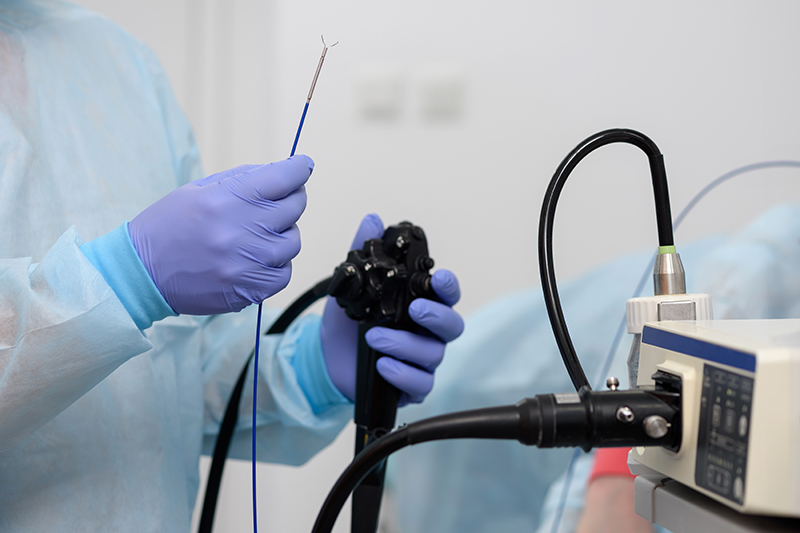
During the procedure, patients are positioned comfortably on their side while sedation takes effect. A flexible tube called a colonoscope is then gently inserted through the rectum and carefully guided through the colon. The instrument is designed to be thin and manoeuvrable so it can move along the natural curves of the large intestine without causing discomfort.
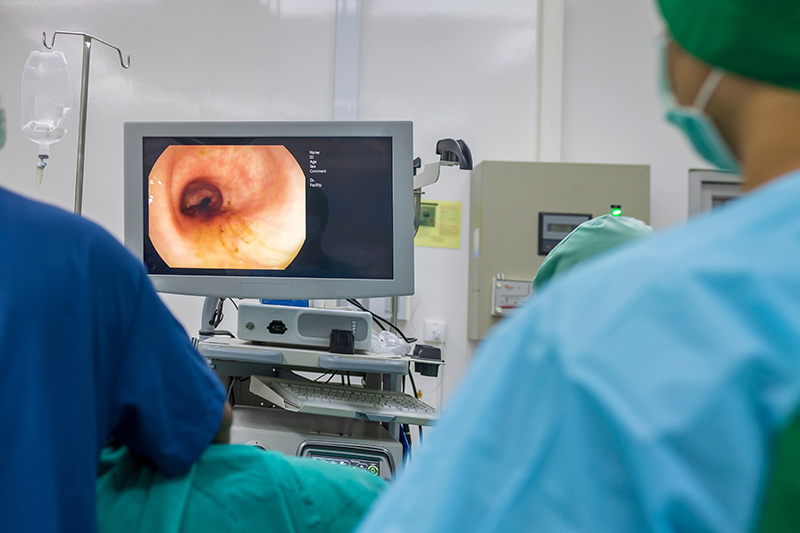
The colonoscope contains a small camera and light at its tip, which transmit real-time images to a monitor. This allows the doctor to closely examine the lining of the colon for polyps, inflammation, bleeding or other abnormalities. Small amounts of air or carbon dioxide may be introduced to expand the colon slightly, improving visibility and enabling a more thorough assessment.
What Does a Colonoscopy Detect?
During a colonoscopy, the doctor can visually confirm the presence of abnormalities within the colon and rectum. The procedure allows for direct examination of the intestinal lining and, where necessary, removal or sampling of suspicious tissue.
One of the most common findings is colon polyps, which are growths that form on the lining of the colon. While many polyps are harmless, some may develop into colorectal cancer over time if left untreated. These are often removed during the procedure to reduce future risk.
In addition, a colonoscopy can identify physical indicators of inflammatory bowel disease, such as ulcerative colitis and Crohn's disease, both of which may require ongoing monitoring.
Other conditions that may be detected include diverticular disease, where small pouches form in the colon wall and may become inflamed, as well as sources of lower gastrointestinal bleeding in patients with blood in the stool or unexplained anaemia.
After: Recovery and Results
After the procedure, patients are monitored in a recovery area until the effects of sedation begin to wear off. It is common to feel mild bloating or to experience gas due to the air introduced during the examination. These symptoms are usually temporary and resolve within a short period.
Because sedation is used, patients are advised not to drive or operate machinery for the rest of the day. Arranging for someone to accompany you home is recommended.
Once a patient is conscious and lucid, they will receive instructions on what symptoms to monitor and when to seek medical attention. The doctor may share initial findings on the same day, and if the colon appears normal, patients are typically informed of this immediately and advised on the next recommended screening interval.
If polyps are found and removed, they are sent for laboratory analysis to determine their type and whether they contain precancerous or cancerous cells. Biopsy results usually take several days. Once available, the doctor will explain what the findings mean, whether further treatment is required and when the next colonoscopy should be scheduled.
How Often Should You Go for a Colonoscopy?
For those at average risk of colorectal cancer, screening is commonly advised starting at age 50 and repeated every 10 years if results are normal.
However, if you have already undergone a colonoscopy and had abnormalities detected within your colon, the follow-up interval will likely be adjusted. The presence of certain types of polyps may require closer surveillance, and in such cases, a repeat colonoscopy may be recommended sooner to monitor for recurrence or new growths.
If colorectal cancer is diagnosed, further investigations and a multidisciplinary treatment plan will be arranged, and subsequent colonoscopies may form part of long-term monitoring after treatment.
Prioritising Your Colorectal Health With Timely Screening
Colonoscopy remains an important tool for detecting colorectal cancer, colon polyps and other abnormalities at an early stage. Understanding the full process can help patients feel more prepared and informed, allowing a doctor to carry out timely examinations.
By following recommended screening intervals and seeking medical advice when symptoms or risk factors arise, individuals can take proactive steps to support long-term colorectal health. At Kieron Lim Gastroenterology, colonoscopy screenings are conducted under the care of Dr Kieron Lim, a senior consultant gastroenterologist and hepatologist with more than 20 years of clinical experience. Dr Lim takes an evidence-based and patient-first approach, ensuring that each individual receives clear explanations, careful assessment and recommendations tailored to their specific needs and risk profile.
Contact us today to schedule a consultation and receive personalised guidance on your colonoscopy screening and colorectal health.

Meet Our Specialist
Dr Kieron Lim
MBBS, University of LondonMember, Royal College of Physicians (UK)Fellow, Academy of Medicine (Gastroenterology) SingaporeFellow, Royal College of Physicians (Edinburgh)
Dr Kieron Lim is a senior consultant specialising in Gastroenterology and Hepatology, providing comprehensive care for patients with gastrointestinal conditions in Singapore. His expertise extends to disorders affecting the oesophagus, stomach, colon, liver, pancreas, and gallbladder. Through his experience, Dr Lim enhances patient outcomes by facilitating early detection and timely medical interventions.

Location
Mount Elizabeth Medical Centre
3 Mount Elizabeth #10-02Singapore 228510
Contact Us
Whatsapp: (65) 9726 0495 | Telephone: (65) 6836 0080
Fax: (65) 6836 0090 | Emergency: (65) 6533 0088
Email: enquiries@kieronlimgastro.sg