



Dr Kieron Lim
Senior Consultant Gastroenterologist & Hepatologist
MBBS, University of London, Member, Royal College of Physicians (UK), Fellow, Academy of Medicine (Gastroenterology) Singapore, Fellow, Royal College of Physicians (Edinburgh)
Liver transplantation is one of the most established treatment options for selected patients with advanced liver disease or liver failure when other treatments are no longer effective. However, it is a complex procedure that requires careful patient selection, comprehensive medical evaluation and close coordination between multiple specialists to ensure that transplantation can achieve the best possible outcome.
Understanding how liver transplantation works, when it may be recommended and what the treatment journey involves can help patients and their families make informed decisions about their care.
What Is a Liver Transplant?
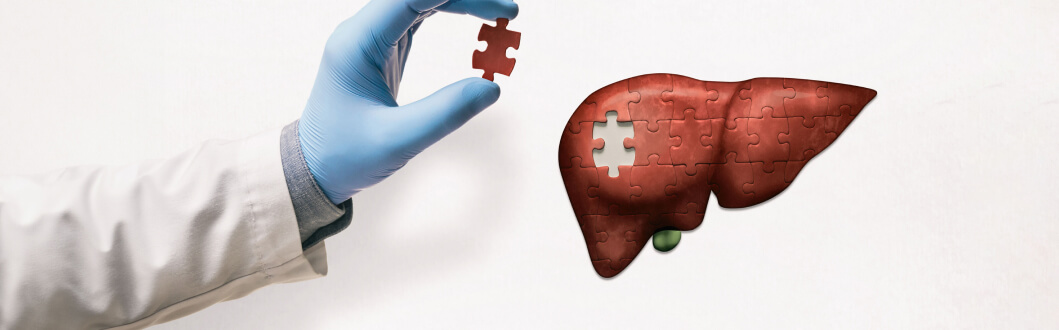
A liver transplant is a surgical procedure that replaces a diseased or failing liver with a healthy liver from a donor. It is considered when the liver has been permanently damaged or has lost its ability to perform essential functions, such as filtering toxins, producing proteins, storing nutrients and supporting normal metabolism.
The donated liver may come from a deceased donor or, in selected cases, a living donor who donates a portion of their liver. Because the liver has the unique ability to regenerate, both the transplanted liver and the remaining portion of the donor's liver can grow and restore normal function over time.
A liver transplant is not suitable for every patient with liver disease. Before transplantation is considered, patients undergo a comprehensive assessment to determine whether the procedure is appropriate and whether the potential benefits outweigh the associated risks.
When Might a Patient Need a Liver Transplant?
Liver transplants are typically recommended for individuals with end-stage liver disease or other severe liver conditions that cannot be effectively managed with medications or other treatments. Common reasons for needing a liver transplant include:
Cirrhosis
The most common reason for a liver transplant is advanced liver cirrhosis, where the liver has sustained excessive scarring, making it unable to function properly.
Acute Liver Failure
Sudden and severe liver failure, often caused by acute viral hepatitis, drug toxicity or other factors, may necessitate urgent liver transplantation.
Liver Cancer
Certain cases of liver cancer (e.g. early-stage hepatocellular carcinoma patients who are not suitable candidates for surgical resection) may necessitate a liver transplant.
Genetic Liver Diseases
Certain inherited liver diseases, such as hemochromatosis and Wilson's disease, may progress to the point where transplantation becomes necessary.
Biliary Atresia
This is a congenital condition where the bile ducts are absent or abnormally developed, which often leads to liver damage and may require a transplantation.
 Meet our Specialist
What Are the Types of Liver Transplants Available?
Liver transplants can be categorised into two types based on the source of the donated liver:
Living Donor Liver Transplant
A living donor liver transplant involves surgically removing a portion of the liver from a healthy donor and transplanting it into the recipient. Because the liver can regenerate, both the donor's remaining liver and the transplanted portion are able to grow and restore normal liver function over time.
Living donors are typically close family members or other individuals who are medically and psychologically suitable to donate. In Singapore, living liver donation involves a comprehensive evaluation of both the donor and recipient, and all living donor transplants are subject to strict ethical and legal safeguards to ensure that donation is voluntary and appropriate.
Deceased Donor Liver Transplant
A deceased donor liver transplant uses a healthy liver donated by a person who has died and whose family or prior consent allows for organ donation. In Singapore, deceased donor liver transplantation is coordinated through the national organ donation and allocation system, with donor livers allocated based on medical urgency, compatibility and other clinical considerations rather than waiting time alone.
Patients who are suitable candidates may be placed on the national transplant waiting list while awaiting a compatible donor organ. The waiting period varies depending on factors such as blood type, liver disease severity and donor availability.
What Is the Liver Transplant Process Like?
The liver transplant journey involves several stages, from determining whether transplantation is appropriate to long-term follow-up after surgery.
Pre-Transplant Evaluation
Before a liver transplant can be considered, patients undergo a comprehensive assessment to determine whether they are suitable candidates for transplantation. This evaluation may include blood tests, imaging, cardiac and lung function tests, psychological assessment and reviews by different specialists to identify any factors that could affect the success of transplantation.
Placement on the Waiting List
Eligible patients are placed on the national organ transplant waiting list, where they await the availability of a suitable donor liver based on medical urgency and compatibility.
Donor Matching and Organ Allocation
When a donor liver becomes available, the medical team evaluates its compatibility with the recipient based on factors such as blood type, severity of condition and other relevant factors. Approval will have to be granted before the liver transplant procedure can proceed.
Liver Transplantation Procedure
During the procedure, the diseased liver is removed and replaced with a healthy donor liver by a specialised transplant surgical team. The operation is performed under general anaesthesia and may take several hours, depending on the complexity of the transplant.
Recovering From a Liver Transplant
Recovery from a liver transplant involves an initial hospital stay of around 5-10 days for close monitoring of possible organ rejection, infections and surgical complications.
After you have been cleared for discharge, regular follow-up appointments will be arranged to monitor your health, liver function, as well as your medication’s effectiveness and side effects.
Rehabilitation plays a crucial role in regaining strength, mobility and independence. Additionally, lifestyle changes, including diet, exercise and substance avoidance, will be recommended to support long-term well-being.
Typically, it takes 6-12 months to fully recover from liver transplant surgery. You may be able to resume normal activities or return to work a few months after the procedure, depending on your initial health condition and the progress of your recovery.
Life After a Liver Transplant
Most patients successfully resume their normal daily activities following recovery from liver transplant surgery. However, maintaining the health of the transplanted liver requires lifelong medical care and healthy lifestyle habits.
Lifelong Immunosuppressive Medication
After a liver transplant, immunosuppressive medication must be taken regularly to reduce the risk of organ rejection. It is important to take these medications exactly as prescribed and not stop them without medical advice.
Regular Follow-Up Appointments
Regular follow-up appointments and blood tests are required to monitor liver function, ensure medications remain effective and detect any changes that may require further treatment.
Returning to Daily Activities
Most patients can gradually return to work, exercise and other daily activities once they have recovered sufficiently from surgery. The timing varies depending on the individual's recovery and the nature of their occupation.
Maintaining a Healthy Lifestyle
A balanced diet, regular physical activity, avoiding smoking and limiting alcohol intake are important for supporting long-term liver health. Patients should also keep vaccinations up to date, as recommended by their transplant team, to reduce the risk of preventable infections.
What Are the Possible Risks and Complications of a Liver Transplant?
While liver transplantation may be a life-saving procedure, it carries certain risks and potential complications that could last long after the transplant itself, which include:
Surgical Risks
These encompass a range of potential complications directly associated with the liver transplant surgery. This includes bleeding, blood clots, anaesthesia-related issues and damage to surrounding structures during the surgical procedure.
Rejection of the Transplanted Liver
This occurs when the recipient's immune system identifies the new liver as a foreign entity and initiates an immune response to reject it. This can lead to significant complications and require adjustments to the patient's treatment regimen.
Infection
Following transplantation, patients have a higher risk of developing bacterial, viral and fungal infections. Prompt recognition and treatment are important, particularly during the early months after transplantation.
Medication Side Effects
Lifelong immunosuppressive medications are essential to prevent organ rejection but may cause side effects such as high blood pressure, diabetes, kidney problems or reduced bone density. Doctors aim to prescribe the lowest effective dose while monitoring for long-term effects.
Recurrence of Liver Disease
In some patients, the underlying liver disease may recur and affect the transplanted liver. The likelihood depends on the original liver condition and individual circumstances, which is why ongoing monitoring remains an important part of long-term care.
In Conversation with Dr Kieron Lim - Liver Transplant
Liver Transplant Assessment at Kieron Lim Gastroenterology
Liver transplantation is a complex treatment pathway that requires careful assessment to determine suitability. At Kieron Lim Gastroenterology, we provide comprehensive assessments to patients with advanced liver disease, ensuring they receive appropriate evaluation, treatment planning and providing timely referral for transplantation if possible.
Care is led by Senior Consultant Gastroenterologist & Hepatologist Dr Kieron Lim, who works closely with liver transplant surgeons and wider multidisciplinary teams to support patients throughout the transplant journey.
If you have advanced liver disease or have been advised to consider liver transplantation, contact our clinic to arrange a consultation.
Frequently Asked Questions (FAQs) About Liver Transplant
What is the success rate of liver transplants in Singapore?
What are the factors influencing the success of a liver transplant?
What are the challenges faced in liver transplantations?
How long will I need to stay in hospital after a liver transplant?
When can I return to work or normal daily activities after a liver transplant?

Meet Our Liver Transplant Doctor
Dr Kieron Lim
Senior Consultant Gastroenterologist & Hepatologist
MBBS, University of London
Member, Royal College of Physicians (UK)
Fellow, Academy of Medicine (Gastroenterology) Singapore
Fellow, Royal College of Physicians (Edinburgh)
Dr Kieron Lim is a senior consultant gastroenterologist and hepatologist with extensive experience managing patients with advanced liver disease. As Medical Director of the Liver Transplant Programme at Mount Elizabeth Hospital, he is involved in assessing patients for liver transplantation, optimising their medical condition before surgery and coordinating care with liver transplant surgeons and the wider multidisciplinary transplant team.
Dr Lim also provides care and treatment for the underlying liver conditions that may lead to transplantation being necessary, including cirrhosis, liver cancer and chronic viral hepatitis. By providing ongoing hepatology care before and after transplantation, he helps patients navigate each stage of treatment while supporting their long-term liver health.

Contact Us
Whatsapp: +65 9726 0495 | Telephone: +65 6836 0080
Fax: +65 6836 0090 | Emergency: +65 6533 0088
Email: enquiries@kieronlimgastro.sg